Leak testing for new sewer pipelines
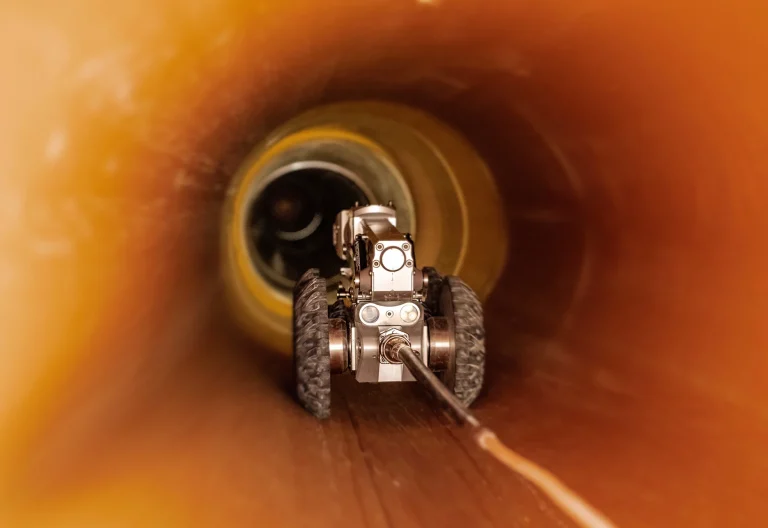
Vacuum or air testing is a precise, non-invasive method used to verify the structural integrity and water-tightness of newly installed sewer pipelines. It detects leaks caused by faulty joints, missing seals or construction damage, so the pipeline is secure and reliable before it is connected.
When vacuum or air testing is required
Gravity sewers are tested between maintenance holes before final connection and handover. In the Sydney Water area, testing to Sydney Water’s technical specifications forms part of the Section 73 process; elsewhere we test to the requirements of Hunter Water, Central Coast Council, Shoalhaven Water and other water authorities. Finding a problem at this stage avoids costly repairs, environmental impact and delays later.
How the test is carried out
- All open ends of the pipeline are sealed
- Vacuum or air pressure is applied to approximately ±27 kPa
- The pressure is allowed to stabilise for three minutes so the measurement is accurate
- Technicians measure the time taken for the pressure to drop to ±23.6 kPa, then to approximately ±7 kPa
- Results are compared against WSA 02-2002-2.2 Sewerage Code of Australia (Sydney Water Edition 1, Version 4), or the edition your water authority specifies
What the test detects
- Leaks from cracked or misaligned joints
- Missing or defective seals that compromise water-tightness
- Structural breaches that allow soil contamination or water ingress
- Construction faults before final connection and handover
What you receive
A NATA accredited report for each section between maintenance holes, recording the test method, pressures, times and result, with clear documentation for regulatory approval. You can view our accreditation on the NATA register.
Key benefits
- Meets Sydney Water technical specifications and Section 73 requirements
- Identifies defects early, avoiding costly repairs, environmental impact or delays
- Supports compliance with councils, utilities and project authorities
- Long-term reliability and safety of sewer infrastructure
Maintenance holes are tested separately with vacuum testing of structures, and once backfill is complete the line is usually checked with deflection testing and CCTV inspection. See hydrostatic vs air testing for how the methods compare.