The project
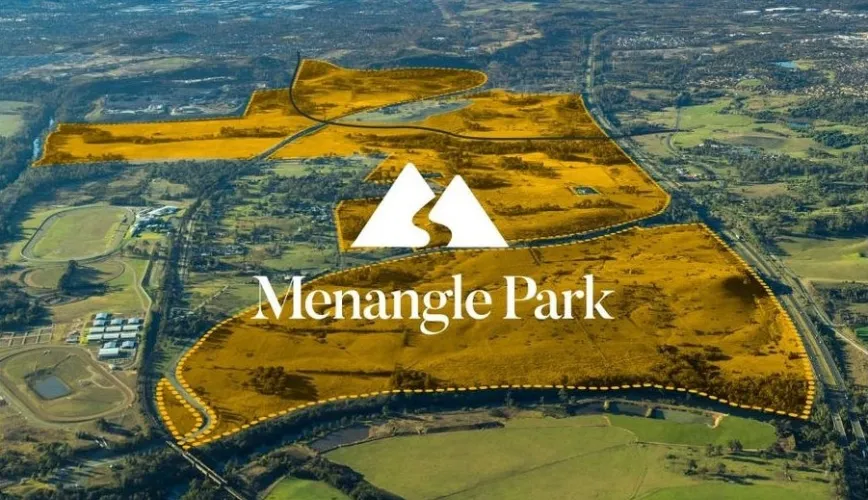
This subdivision at Menangle Park has been under construction in stages since 2020, and it is still being built. The pipeline work is large for a residential release: more than 10 kilometres of new sewer and water mains, delivered in sections as each stage of the estate has opened up.
Menangle Park is in Sydney Water’s area, in the south-west growth corridor. Developer mains there are accepted only after they have been tested and the records are in the handover package. The contractors installing the pipes needed a tester who could move with the program: on site when a section was ready, and able to issue a NATA accredited report the contractor could use for that stage.
J & J Pipe Testing has done that work from 2020 through the stages completed so far. We are based at Smeaton Grange, so Menangle Park is local work, and the job has been a running program rather than a single mobilisation.
What the water authority required
Sydney Water is the authority. Water reticulation on a job of this type is built and tested to WSA 03. Sewer pipelines and maintenance structures are built and tested to WSA 02. CCTV of the new sewers follows WSA 05. Sydney Water’s requirements for developer works sit over those codes and set what has to be in the acceptance package, including the path to a Section 73 Compliance Certificate for each stage being released.
The estate has had no single deadline. The program is staged, and it has run from 2020 to now. Each stage has had its own ready date, set by the contractor.
What we did
We coordinated the testing with the contractors laying the pipes. The aim was to arrive when a section was finished, test it, and record the result properly.
Hydrostatic testing was used on the water mains. Completed sections were filled and pressurised to confirm they held.
Vacuum testing was used on the sewer pipelines, and the structures were vacuum tested separately. A line can hold while a maintenance hole does not, so both were tested before a sewer stage was put forward.
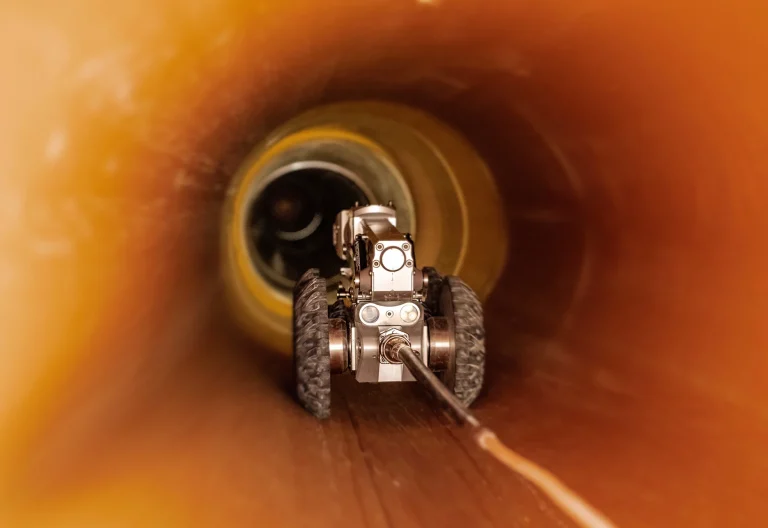
CCTV inspections were run on the sewers, and the footage was kept with the report for that stage.
Compaction testing checked the trench backfill. Deflection testing checked that flexible pipes were still round once the fill was placed.
The site itself was straightforward. Access, groundwater and shutdowns did not hold the work up. The real task on a job this long is timing. Sections finish weeks or months apart. We stayed in contact with the contractors about which lengths were actually ready, so the crew was testing finished pipe.
Results
The record of the work is the stage reports. Each package stands on its own, which matters when an estate is still being built years after the first stage.
What the client received
For each stage the contractor received a NATA accredited report from J & J Pipe Testing, accreditation number 14400. Sewer stages also included the CCTV footage. The contractor uses those documents to support Sydney Water’s acceptance of the new mains.
Reports have gone out with the stages, and that will continue as later stages are released.
Lessons for similar projects
Agree the timing with the contractor before the day is booked. On a staged subdivision, the wasted visit is the one where the line is still open, the maintenance hole is full of spoil, or nobody can point to the section that is ready. A call to confirm the chainages, the structures and the access saves a second mobilisation.
File the evidence with the stage. More than 10 kilometres of sewer and water, spread from 2020 onward, cannot be reconstructed from memory at the end. A NATA report and the CCTV for each stage, issued when that stage is tested, is what the contractor can hand to Sydney Water.